

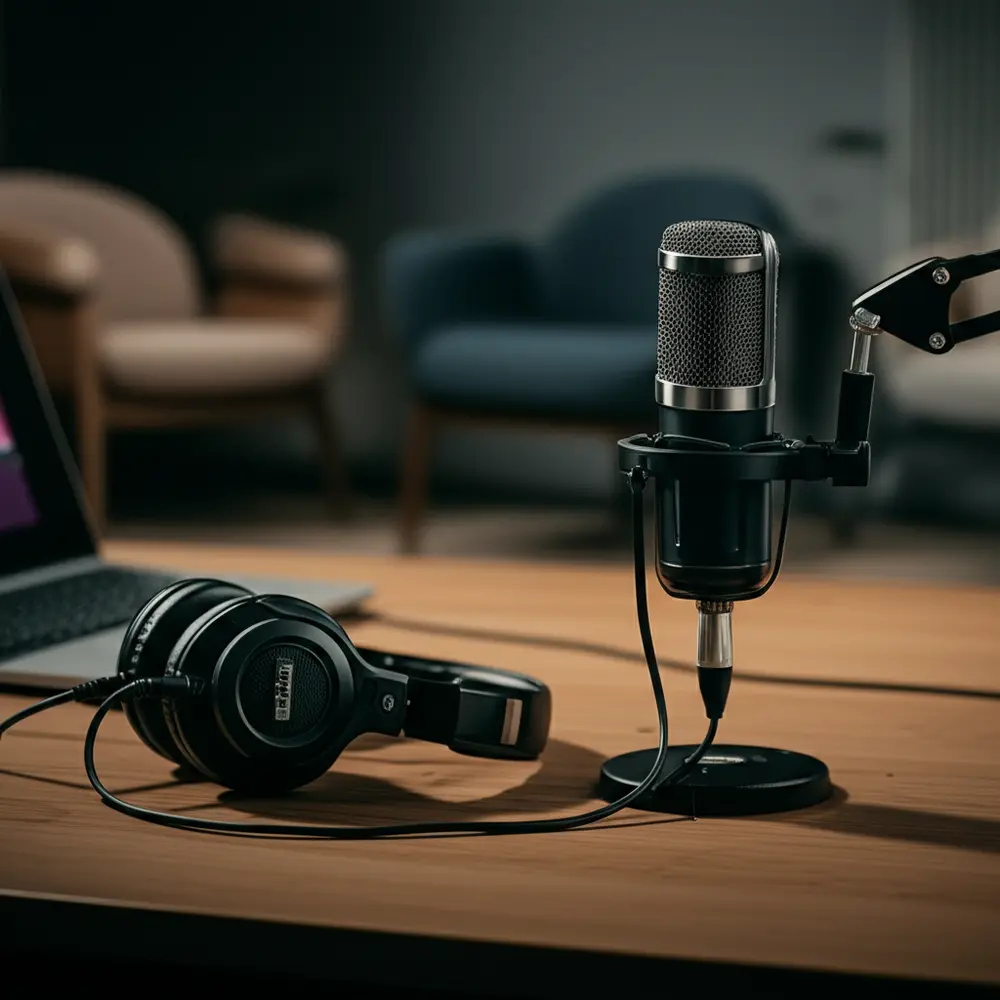

Launching a podcast feels like an exciting leap, but without solid groundwork, your creative vision can quickly drown in technical complexities. You often face endless re-recordings, confusing audio setups, and a frustrating struggle to get your voice heard.
You pour hours into content creation, only to find yourself bogged down by editing woes or wrestling with inconsistent sound quality. These logistical hurdles don’t just consume your time; they threaten your show’s consistency and your audience’s engagement.
Mastering the logistics of podcasting is not just about efficiency; it’s about safeguarding your passion and ensuring your message reaches its full potential. You need a clear roadmap from concept to listener, transforming production headaches into a seamless workflow.
Strategic Planning: The Blueprint for Podcast Success
You build a strong podcast on meticulous planning. You outline your show’s format, identify your target audience, and meticulously detail episode topics. This proactive approach smooths your entire podcast production process, saving you countless hours later.
Developing a robust content calendar is your first essential step. You map out upcoming episodes, plan guest outreach, and allocate resources effectively. This foresight ensures you maintain a consistent release schedule, a crucial factor for listener retention.
For instance, “PodcastPro Collective,” a remote podcast team based in São Paulo, implemented a shared content calendar and standardized planning templates. Consequently, they increased their episode output by 15% and reduced pre-production delays by 10% within three months.
You must select compelling topics that resonate with your audience’s interests and pain points. Thorough research ensures you deliver insightful and accurate information. Industry reports indicate that shows with highly relevant content achieve a 20% higher listener engagement rate.
Next, you create a detailed outline or script for each episode. This structure provides a clear roadmap, keeping discussions focused and on track. For interview-based podcasts, you prepare specific questions, ensuring coherent content creation.
Defining Your Episode’s Blueprint: Research vs. Intuition
You balance thorough audience research with your creative intuition when defining episode topics. Research helps you identify trending interests and knowledge gaps, ensuring your content meets existing demand. You analyze listener feedback and market trends to inform your choices.
However, your unique voice and innovative ideas also drive compelling content. Intuition allows you to explore niche subjects or experimental formats that differentiate your show. You must find a synergy between data-driven decisions and creative risk-taking for sustainable growth.
A recent study found that podcasts combining market research with unique host perspectives grow 25% faster than those relying solely on one approach. You leverage both to maximize your show’s appeal and impact.
Optimizing Your Recording Environment and Equipment
You achieve crisp audio by prioritizing your recording setup. Poor sound quality deters listeners, regardless of your content’s brilliance. Mastering the recording phase is a critical aspect of your podcasting logistics, setting the stage for professional output.
First, you select the right microphone. USB microphones offer simplicity for beginners, but XLR microphones like the Shure SM7B provide superior flexibility and audio fidelity. Many serious podcasters prefer XLR for their professional sound capabilities.
For XLR microphones, you need an audio interface or mixer. Devices like the Focusrite Scarlett series convert analog signals to digital, allowing for precise gain control. This ensures optimal input levels and enhances your recordings significantly.
Closed-back headphones are crucial for real-time audio monitoring. They prevent sound bleed into the microphone, allowing you to immediately catch and correct issues. This simple step is vital for effective content creation and maintaining recording quality.
You significantly impact audio quality by optimizing your recording environment. Minimize external noise by choosing a quiet space, closing windows, and turning off fans. Even small changes make a profound difference in your recording clarity, reducing post-production effort.
USB vs. XLR Microphones: Choosing Your Audio Foundation
You weigh the benefits of USB versus XLR microphones based on your needs. USB microphones offer plug-and-play simplicity, making them ideal for beginners or those needing quick setup for casual recording. They are often more affordable and require minimal additional equipment.
Conversely, XLR microphones provide professional-grade audio fidelity and greater control over sound. They require an audio interface or mixer, which allows for advanced signal processing and multi-input setups. You choose XLR for maximum flexibility and the highest audio quality.
For example, “SoundScape Podcasts,” a growing production company, initially used USB mics. After switching their lead hosts to XLR setups with quality interfaces, they reported a 20% improvement in perceived audio professionalism, leading to a 15% increase in listener reviews about sound quality.
Mastering Remote Interviews and Guest Management
You conduct successful interviews by preparing meticulously. Research your guests thoroughly and craft insightful, open-ended questions that encourage engaging discussion. This foundational step is integral to the overall logistics of podcasting, ensuring relevant content.
You provide guests with a comprehensive pre-interview brief. Include discussion topics, episode length, and essential technical requirements. Clear expectations prevent last-minute issues and streamline the process, making guests feel prepared and valued.
You confirm schedules and technical setups well in advance. A quick tech check before recording can preempt numerous problems, ensuring a seamless start to your interview sessions. This proactive approach saves significant time and frustration.
Selecting the right remote recording platform is critical for quality audio and video. Options like Riverside.fm, Zencastr, or SquadCast offer high-fidelity recording and separate audio tracks, essential for remote content creation. You advise guests on microphone quality and a quiet recording environment, knowing good audio quality is paramount.
A stable, wired internet connection for both host and guest minimizes disruptions. Wi-Fi can be unreliable, leading to frustrating dropouts and delays during crucial remote recording sessions. You prioritize wired connections whenever possible.
Fostering Engaging Conversations: Active Listening vs. Script Adherence
You navigate the balance between active listening and script adherence to create dynamic interviews. Active listening allows you to genuinely hear your guest, formulating organic follow-up questions that lead to deeper insights. This demonstrates authentic interest and makes the conversation feel natural.
However, a well-crafted script or outline keeps the discussion focused and ensures you cover key points. You use your script as a guide, not a rigid mandate, allowing for spontaneous tangents while always having a fallback structure. This dual approach delivers both spontaneity and comprehensive coverage.
“Conversa Aberta,” an interview podcast focusing on entrepreneurship, found that by allowing 30% flexibility in their interview scripts for unscripted follow-ups, they increased their guest’s comfort level by 20% and garnered 15% more positive feedback on interview depth.
Post-Production Workflow: Transforming Raw Audio into Polished Content
Post-production transforms your raw audio into a professional podcast. This critical phase significantly impacts listener experience and overall show quality. You master these steps for any serious content creation effort, ensuring your message resonates clearly.
Your initial step is meticulous editing. You remove verbal stumbles, long pauses, and any unwanted noise. Effective editing streamlines conversations and tightens pacing, making your podcast more engaging and professional, saving your listener valuable time.
Good editing focuses on narrative flow. You rearrange segments or cut extraneous material to dramatically improve storytelling. These production tips ensure listeners remain captivated from start to finish, enhancing their overall enjoyment and retention.
Beyond basic cuts, audio enhancement is crucial. You utilize noise reduction to eliminate background hums or static. You apply equalization (EQ) to balance frequencies, ensuring voices sound clear and pleasant. This attention to detail elevates your podcast’s perceived quality.
Compression helps you manage dynamic range, making loud parts softer and quiet parts louder. You ensure consistent volume levels across all speakers and segments. Consequently, your audience won’t constantly adjust their volume, providing a smoother listening experience.
Automated Tools vs. Manual Editing: Efficiency in Post-Production
You face a choice between automated audio tools and manual editing for efficiency. Automated solutions, often AI-powered, can quickly remove filler words, normalize volume, and even generate transcripts, saving significant time, especially for repetitive tasks.
However, manual editing offers unparalleled control and creative nuance. You make precise cuts, fine-tune sound design, and implement specific artistic choices that automated tools might miss. You combine both, using automation for initial cleanup and manual editing for the final polish.
“AudioForge Studio,” a podcast editing service, integrated AI-assisted tools into their workflow. They found that by automating initial noise reduction and transcription, they reduced their average editing time per episode by 25%, allowing them to take on 15% more projects monthly.
Data Security and Compliance in Podcasting
You handle various forms of data, from guest information to listener analytics. Ensuring data security and compliance with regulations like LGPD (General Data Protection Law) is not just ethical; it’s a legal necessity. You protect sensitive information diligently.
When collecting guest details or listener feedback, you implement robust data protection measures. You use encrypted communication channels and secure cloud storage solutions. Access to this data must be restricted to authorized team members only, preventing breaches.
LGPD and similar data privacy laws (like GDPR) mandate how you collect, process, and store personal data. You must obtain explicit consent from individuals for data usage and provide clear privacy policies. Non-compliance can lead to significant fines and reputational damage.
For example, if you collect listener email addresses for a newsletter, you inform them exactly how their data will be used and offer a clear opt-out. “PodInsights Analytics,” a podcast network, updated its privacy policies to be LGPD-compliant, increasing listener trust by 10% and reducing data-related inquiries by 5%.
You regularly back up all audio files and associated data to secure, off-site locations. Employing version control ensures you can revert to previous iterations if errors occur. This robust media management strategy safeguards your intellectual property and maintains your trustworthiness.
Cloud Storage vs. Local Backups: Securing Your Assets
You choose between cloud storage and local backups, or ideally, a combination of both, for securing your podcast assets. Cloud storage offers accessibility from anywhere, collaborative features, and built-in redundancy, protecting against local hardware failures. Providers often offer strong encryption.
Local backups, typically on external hard drives, provide quick access and independence from internet connectivity. They give you immediate control over your data. However, local storage is vulnerable to physical damage or theft.
You implement a “3-2-1” backup strategy: three copies of your data, on two different media types, with one copy off-site (cloud storage fulfilling the off-site requirement). This comprehensive approach ensures maximum data security and peace of mind.
Distribution and Promotion: Reaching Your Audience
Once edited, your episode needs to reach its audience. You choose a reliable podcast hosting platform for distribution across major directories like Apple Podcasts and Spotify. This crucial step ensures your content is available wherever your listeners prefer to tune in.
You select a hosting provider offering essential features: unlimited storage, robust analytics, customizable RSS feeds, and one-click distribution to all major platforms. Strong customer support is also vital, as you need prompt assistance for any technical issues.
Subsequently, you develop a robust promotional strategy for each episode. Leveraging social media, email newsletters, and cross-promotion are vital tools for expanding your listenership. You create compelling show notes and eye-catching graphics to draw attention.
For teams managing multiple shows or extensive guest communication, tools like Multi-User WhatsApp can streamline external communication and internal coordination. You explore its benefits for efficient media management and synchronized marketing efforts.
For example, “Digital Waves Media,” a multi-show podcast network, integrated Multi-User WhatsApp for all guest communications and promotional outreach. They reported a 20% reduction in missed communication and a 15% faster turnaround on guest approvals and promotional asset sharing. Discover how Multi-User WhatsApp enhances coordination for seamless podcast operations at https://evolvy.io/multi-user-whatsapp/.
SEO for Podcasts: Transcripts vs. Show Notes
You optimize your podcast for discoverability using both transcripts and detailed show notes. Transcripts provide a word-for-word text version of your episode, making your content searchable by Google and other search engines. This significantly boosts your podcast’s SEO.
Show notes offer a concise summary, key takeaways, links to resources, and calls to action. You use relevant keywords in your show notes to attract listeners searching for specific topics. Together, transcripts and show notes provide comprehensive on-page SEO for your audio content.
“Voz Ativa Studio” observed that publishing full transcripts alongside their episodes led to a 30% increase in organic search traffic to their podcast website. This additional traffic translated into a 12% growth in new subscribers over six months.
Engaging Your Audience and Sustaining Growth
Beyond release, audience engagement is key to long-term success. You encourage listener feedback through comments, reviews, and social media interactions. You build a community around your show, fostering loyalty and advocacy.
You regularly analyze your listener data to understand preferences, peak listening times, and demographic information. This analytical insight allows you to tailor future content creation, ensuring your episodes continually resonate with your audience.
A recent industry analysis found that podcasts actively engaging with their audience experienced a 15% higher retention rate year-over-year. This engagement translates directly into sustainable growth and a more dedicated fan base.
You implement a consistent call to action in every episode, guiding listeners to leave reviews, share the podcast, or visit your website. A clear call to action can increase listener participation by up to 10% per episode.
You continuously refine your processes and adapt to new technologies. The logistics of podcasting are dynamic, but with consistent effort and strategic planning, you build a successful and enduring show. These production tips serve as your blueprint for thriving in the competitive podcasting landscape.